Gangsaw Tie Rods & Clips
Quantity per Pack: 100
About this item
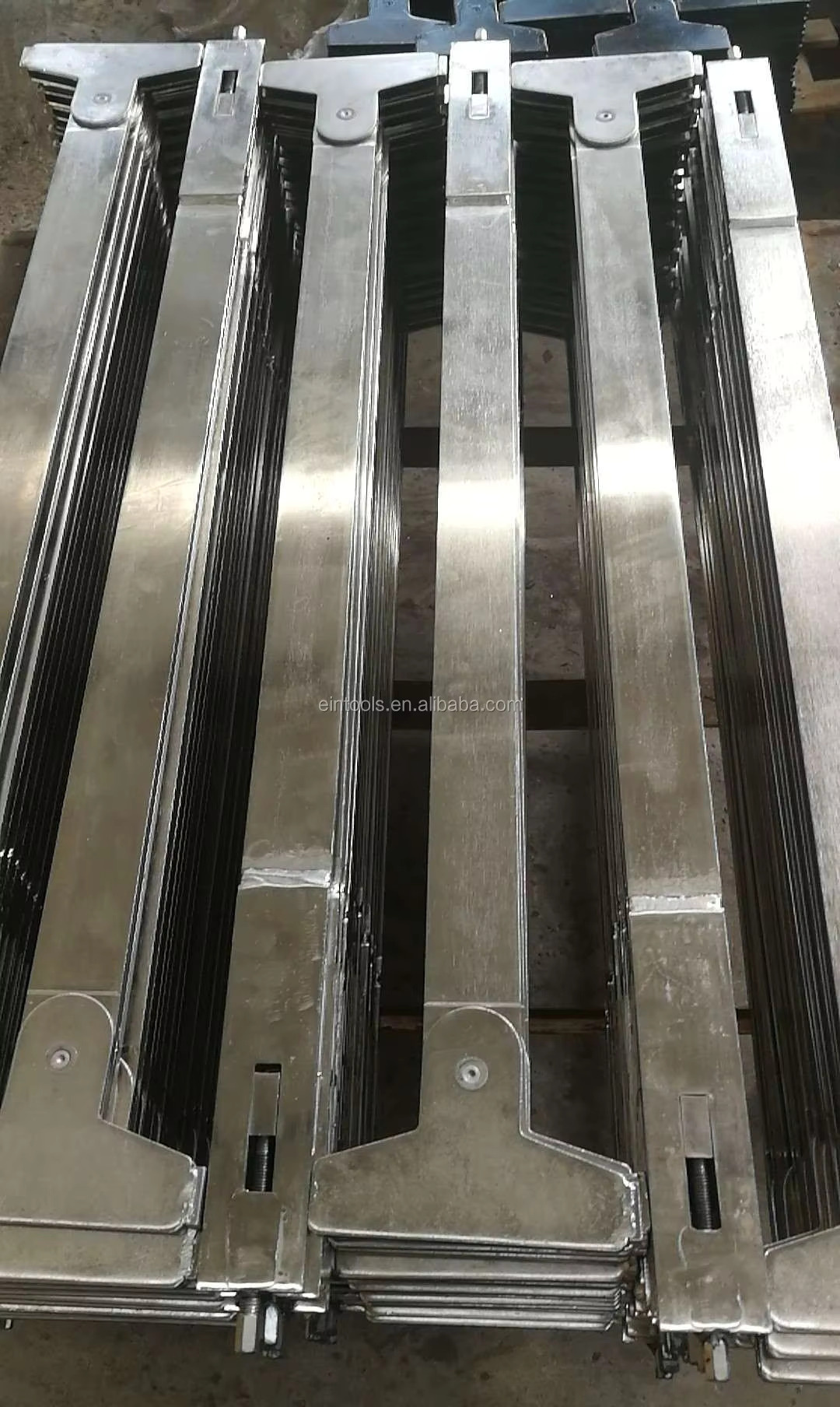
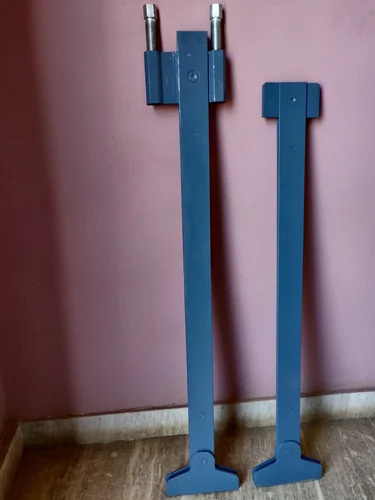
Gangsaw tie rods and clips are components used to secure and tension the saw blades within a gang saw machine, which is used for cutting large blocks of stone into slabs. The tie rods hold the blades, while the clips or holders secure them firmly in place.
How they work
- Structure: A gang saw machine features a large frame that holds multiple parallel blades. These blades are attached to a system of hydraulic tensioners and tie rods that ensure they are held perfectly straight and tight.
- Function:
- Tie rods: These are structural rods or bars that connect the saw blades to the machine's frame. In hydraulic systems, they connect the blade to the hydraulic tensioner, which pulls the blade taut. They resist the tensile forces generated during the cutting process, preventing the blades from moving or bending.
- Clips/Holders: These specialized components are used to grip the saw blade and attach it to the tie rod. Different designs, including folding tie rods or non-circular pins, are used to securely fix the blade in position and prevent rotation.
- Process: As the gang saw operates, the frame with the tensioned blades moves back and forth, cutting the block of stone. The precise tension and stability provided by the tie rods and clips are critical for a straight, accurate cut and uniform slab thickness.
Key features
- High tensile strength: The components must be extremely strong to withstand the high forces of cutting hard materials like marble and granite.
- Durability: Gang saw parts are made from robust materials, such as hard alloys or high-grade steel, to resist wear and fatigue over time.
- Precision: Both the tie rods and clips are manufactured to tight tolerances to ensure proper alignment and consistent cutting performance.
- Hydraulic variants: Many modern gang saws use hydraulic systems for tensioning, which use hydraulic tie rods that provide consistent and powerful blade tensioning.